Appliance Maintenance Schedule for Busy Households
Keeping your home appliances running smoothly takes planning, and a consistent maintenance schedule can help prevent breakdowns that interrupt daily life and lead to costly appliance repair calls. For busy households in Dayton, IN, building simple habits around filter checks, hose inspections, and seasonal cleaning can extend the life of every machine in your home. This guide breaks down what to check, how often, and when to call a professional for appliance repair.
Monthly Maintenance Tasks You Can Handle Yourself
Most monthly tasks are simple, low-risk jobs any homeowner can complete without tools or technical experience.
List of services
-
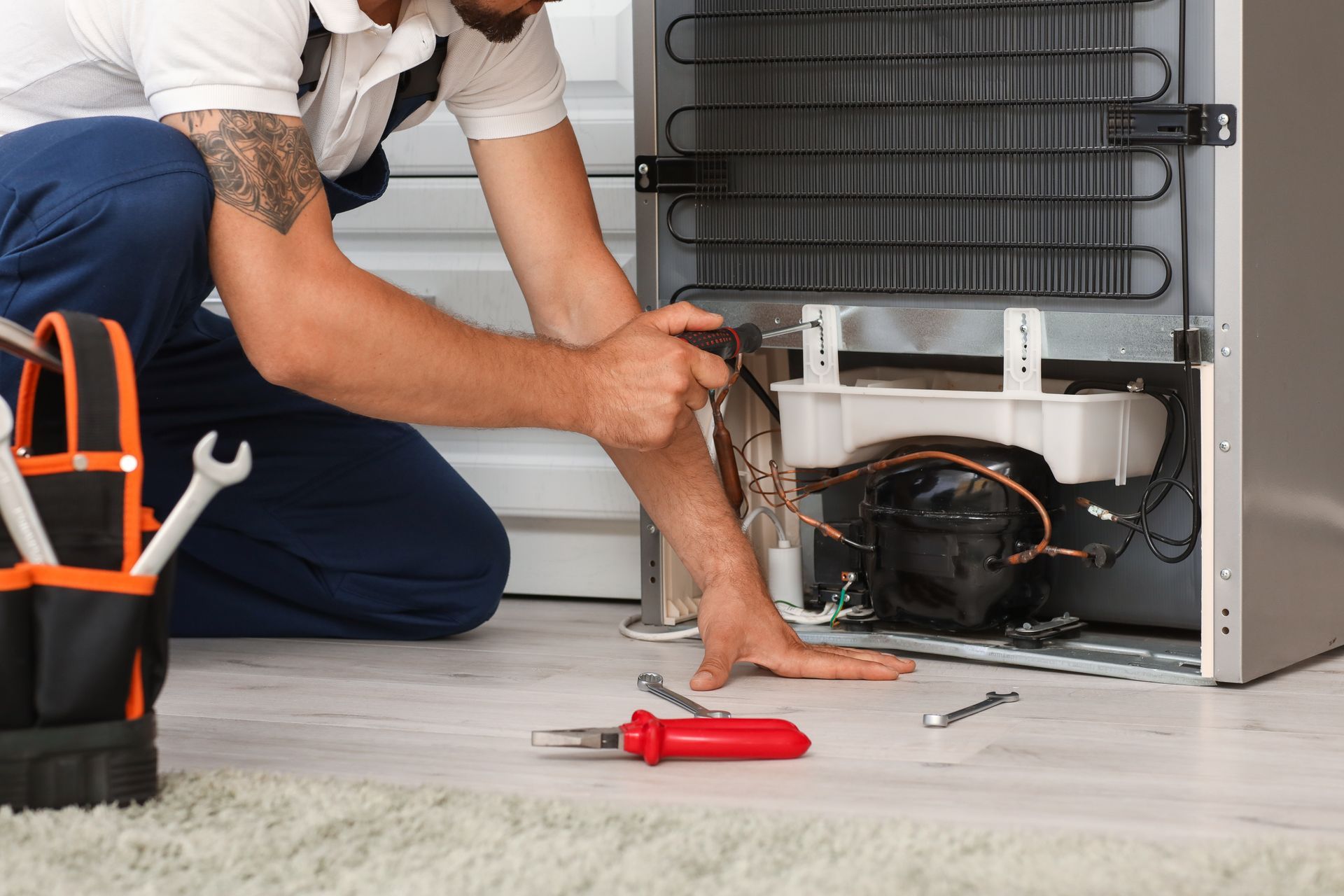
Refrigerator and FreezerList Item 1
Check door gaskets every month. A loose or cracked gasket lets cold air escape, forces the compressor to work harder, and drives up your energy bill. Close the door on a sheet of paper and try to pull it out. If it slides out easily, the gasket may need attention.
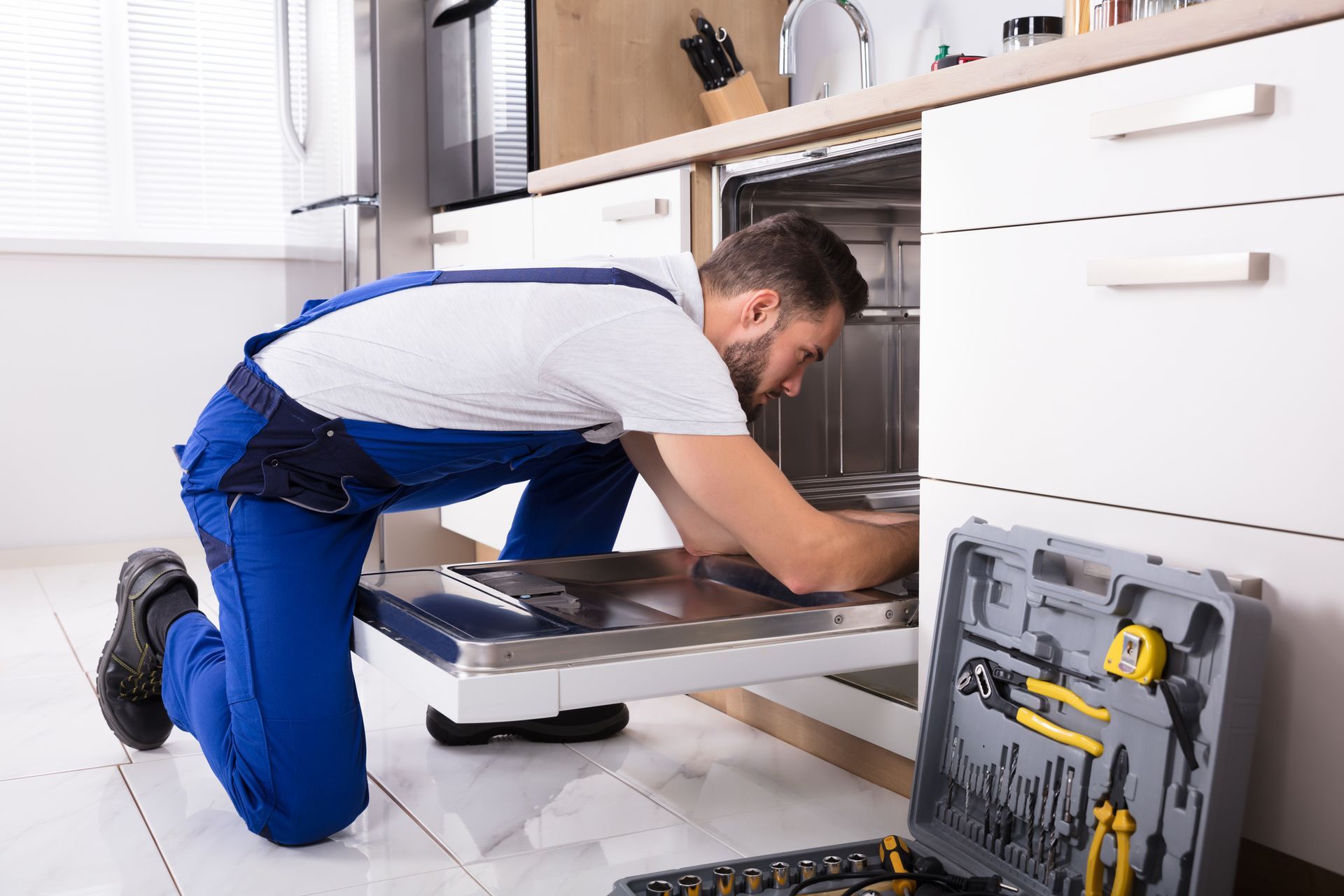
Clean the drain filter in your dishwasher monthly as well. Remove the filter basket at the bottom of the tub, rinse it under warm water, and replace it. A clogged filter strains the pump and can leave dishes dirty after a full cycle.
-
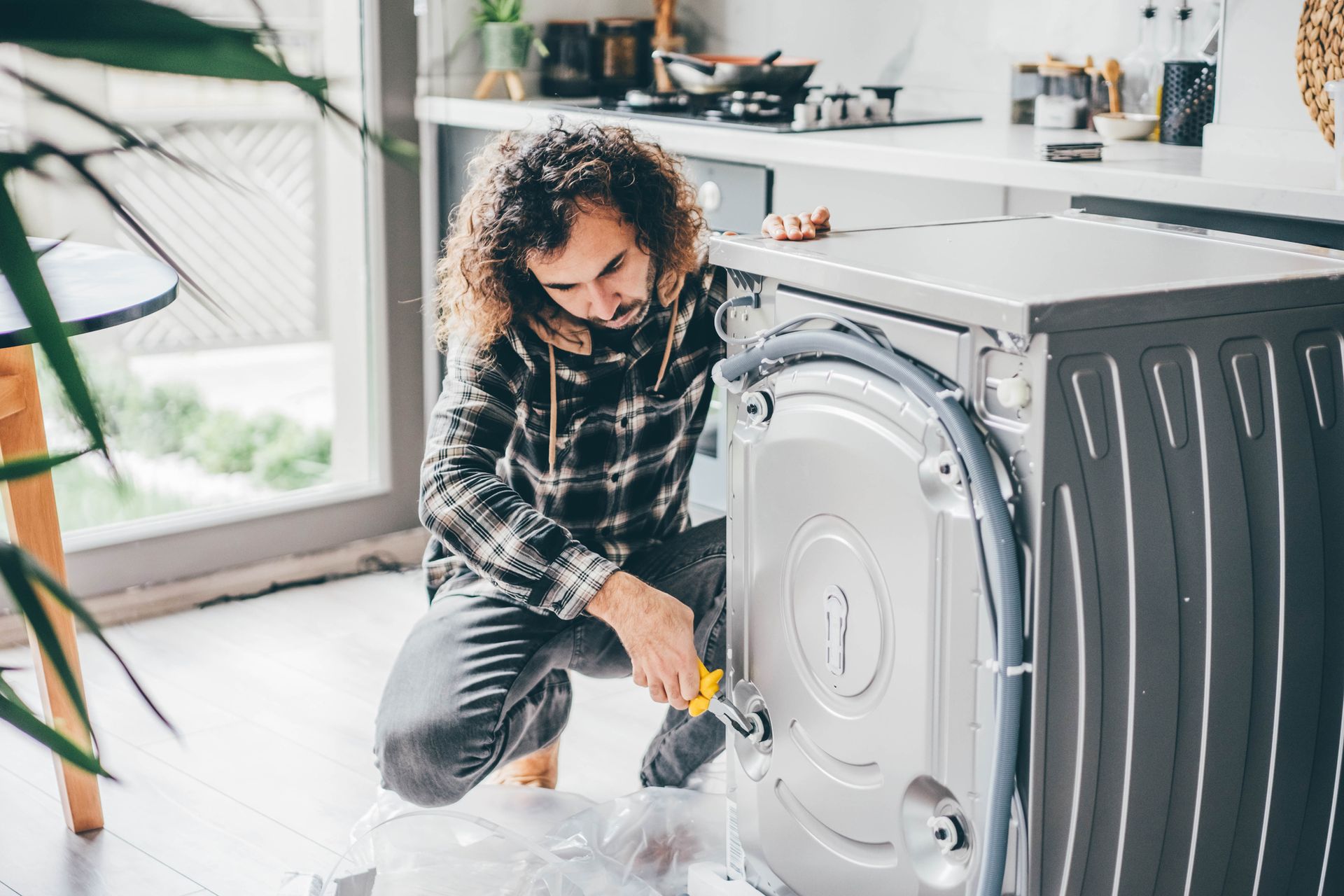
Washing MachineList Item 2
Inspect water supply hoses each month. Look for bulging, cracking, or moisture near the connections. A hose failure can release a large amount of water quickly, so catching early wear is worth the thirty seconds it takes.
-
DryerList Item 3
Clear the lint trap before or after every load. A lint-clogged trap is one of the leading causes of dryer fires and forces the machine to run longer. Wipe the trap screen with a damp cloth periodically to remove buildup that daily cleaning can miss.
Seasonal Maintenance That Protects Your Investment
Seasonal tasks go deeper and help catch issues before temperature changes put extra stress on your appliances.
List of services
-
Spring Cleaning ChecklistList Item 1
▸ Pull your refrigerator away from the wall and vacuum the condenser coils beneath or behind it.
▸ Run a washing machine cleaning cycle with a commercial washer cleaner to clear soap residue and prevent odor.
▸ Inspect dishwasher spray arms for clogged holes and clear blockages with a toothpick.
▸ Check dryer vent ductwork for lint accumulation and confirm the exterior vent flap opens freely.
-
Summer ChecksList Item 2
Heat and humidity in the Tippecanoe County area can stress cooling appliances during summer months.
▸ Test refrigerator and freezer temperature settings and confirm both are holding consistent temperatures.
▸ Check that the refrigerator's ice maker water line shows no signs of mineral buildup or kinking.
▸ Look behind the washer and dryer for moisture on the floor or walls, which can signal a slow hose drip.
-
Fall PreparationList Item 3
▸ Clean dryer vent ductwork thoroughly before the high-laundry months ahead.
▸ Inspect door gaskets on all appliances before cold air raises heating costs.
▸ Run a hot water cycle in the dishwasher with a cup of white vinegar to remove hard water deposits, which are common in this part of Indiana.
-
Winter MaintenanceList Item 4
▸ Confirm washing machine hoses are insulated or that the laundry area stays above freezing.
▸ Test dryer heating element performance, since longer drying times can indicate a developing issue.
▸ Listen for unusual sounds from the refrigerator compressor, which works harder in kitchens that run warmer during holiday cooking.
DIY Tasks vs. Jobs for a Technician
Homeowners can safely handle most cleaning, inspection, and filter tasks without professional help. Tasks you can do yourself include cleaning lint traps, rinsing dishwasher filters, wiping door gaskets, vacuuming condenser coils, and checking hoses for visible wear.
Some jobs should always go to a trained technician. If a hose is actively leaking or bulging significantly, do not attempt to repair it yourself. Electrical components, heating elements, gas line connections, and internal motor parts require proper tools, safety knowledge, and certified training. Attempting these repairs without experience can void a manufacturer warranty or create a safety hazard.
For guidance on when a repair makes more sense than a full replacement, read our
appliance repair vs. replacement guide on this site, which walks through the key factors.
When Should I Call a Technician?
Call a technician when you notice water on the floor near any appliance, when a machine stops working mid-cycle, when you smell burning or notice unusual heat, or when your appliance makes grinding, banging, or squealing sounds. These signs often point to an internal issue that routine maintenance cannot address.
Build Your Schedule and Stick to It
A written maintenance schedule reduces the chance of tasks getting skipped during a hectic week. Post it inside a cabinet door or add reminders to your phone. Even keeping up with checks in six of twelve months is meaningfully better than no schedule at all.
The goal of consistent maintenance is not perfection. It is reducing the odds of a surprise breakdown and catching small problems before they grow into expensive repairs.
Let A Step Above Appliance Repair Help When You Need It
A simple maintenance schedule can do a lot, but some problems still need a professional. A Step Above Appliance Repair serves households in Dayton, IN, and the Greater Lafayette area with certified, fast, and reliable service for washers, dryers, refrigerators, dishwashers, and more.
When a task goes beyond a filter rinse or hose check, contact the team or call (765) 588-7377 to schedule a service visit. Seniors and military customers may qualify for a discount, and mentioning this website can save other customers on their next service call.
Do not let a small issue turn into a major expense. Reach out today and keep your household running the way it should.